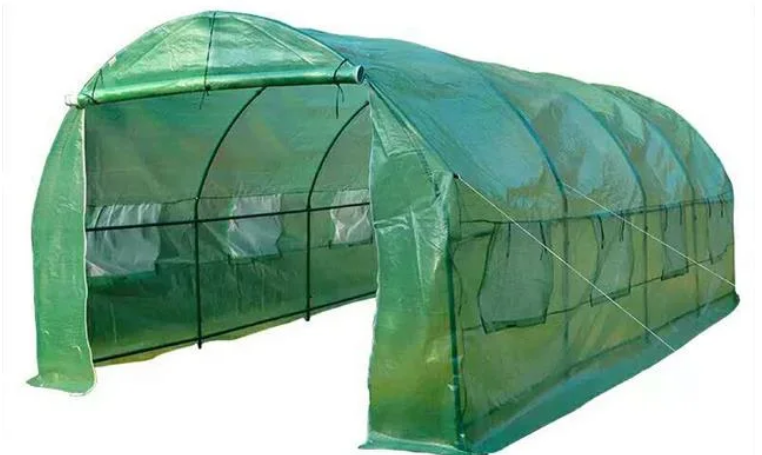
Jiangsu Lanhui Suwei Household Garden Manufacturing Co., LTD. Is a focus on home garden manufacturing company, committed to providing customers with high quality, personalized indoor and outdoor space solutions. Our team consists of experienced designers and professional technicians with deep industry knowledge and skills to create unique home environments based on the needs and preferences of our customers. In terms of design, we pay attention to details and aesthetics, and through in-depth communication and cooperation with our clients, we create Spaces that suit individual tastes and lifestyles. Whether it is modern and simple style or traditional Chinese style, we strive to perfectly combine aesthetics and practicality; At the same time, we also focus on environmental protection and sustainability, using green materials and processes to ensure that our products are not harmful to the environment and human health. In addition to design, we also provide a full range of construction services and technical support to ensure that each project is successfully completed and achieves the desired results. Our construction team has a wealth of experience and professional skills to meet a variety of complex terrain and environmental requirements, and provide quality after-sales service to ensure customer satisfaction. As a professional home garden manufacturing company, we hope to bring comfortable, beautiful and practical living experience to more families through continuous innovation and improvement. Whether you are pursuing fashion trends or advocating nature and environmental protection, we will work with you to create a better home.

When corrosive chemicals and extreme temperatures converge, ordinary piping materials can degrade quickly, leading to leaks, downtime, or outright failure. HC-22 nickel based alloy extruded seamless pipe is engineered to withstand these punishing conditions, but its performance in the field depends heavily on sourcing from a supplier that understands high-stakes industrial demands. This article takes a closer look at why engineers consistently turn to JILAIDA as their wholesaler for this specialty product. It explores the alloy's resistance to aggressive chemical attack, its ability to maintain structural integrity under thermal cycling, and the advantages of seamless extrusion over welded alternatives, which eliminates potential weak seams. Beyond material properties, the piece also considers less glamorous but equally vital factors: verified mill certifications, dependable inventory, and responsive technical support. Rather than repeating vendor talking points, the article presents a grounded view of what makes the material-supplier combination stand out, helping readers assess whether it fits their piping needs.
Choosing a five-chamber laundry pod manufacturer is rarely treated as a make-or-break decision, but it quietly shapes your brand's reputation every time a consumer opens the box. Get the technical details wrong, and you face film incompatibility, weak seals, or inconsistent dissolution—issues that customers notice before your QC team does. This guide moves past standard procurement language and focuses on the factors that actually determine product quality: pod hardness, sealing integrity, and how quickly the pods break down in different wash cycles. It also draws on the experience of LANJIEYA, a manufacturer that has spent years refining these variables through real production feedback. Rather than giving you another generic checklist, the article equips you with the questions to ask before signing a contract. The result is fewer reformulation surprises, fewer late shipments, and a supply chain that supports your margins instead of quietly eroding them. If you are tired of suppliers who promise consistency but deliver variability, this practical introduction will help you choose a partner that actually protects your brand.
Sourcing a single-phase vibration motor seems simple until a weak exporter halts your entire production line and drains your budget. The difference between a trustworthy supplier and a costly regret often comes down to small warning signs that most buyers overlook. Guangling has spent years turning those signs into a practical checklist built from real client experience. This guide shares that exact checklist: production consistency, quality control, communication, and after-sales support before signing any contract. Each point reflects hard-won lessons, not generic advice. You’ll learn which manufacturer traits predict reliable delivery and which red flags demand a walk-away. By the end, you’ll have clear criteria to protect both your line and your budget. No guesswork, proven criteria. If you’re tired of guessing or recovering from a bad supplier, this post gives you the straight talk and specific checks to move forward, avoiding the sourcing mistakes that derail too many operations.
Finding an air damper supplier that won't vanish after the first order is harder than most people expect. Plenty of companies promise reliability, but very few actually deliver consistent quality, responsive support, and on-time shipments. This guide walks you through what to look for before you sign a contract, so you're not left dealing with costly downtime later. It strips away the usual sales talk and focuses on the practical signs of a supplier worth keeping, flagging the warning signs of unreliable partners. You'll see how THT approaches the relationship differently—by understanding your airflow control challenges and solving them early instead of just handing you a product catalog. If you want a partner that treats your project as more than a one-time sale, this article gives you a clear, no-nonsense way to make that decision with confidence—and avoid getting stuck with a supplier that disappears.
Finding a pipe shot blasting machine that actually holds up under production conditions is harder than most buyers expect. Many suppliers talk about performance, but their equipment falls short on real surface prep. PuHua takes a different route: every machine is designed for genuine workload, not showroom specs. This piece breaks down what separates dependable blasting equipment from the rest—build quality, consistency, and the small details that affect coating adhesion. It also explains why contractors across different regions have started relying on PuHua when they need repeatable results job after job. Instead of chasing specs, the focus stays on what actually happens on the shop floor. If you’re tired of suppliers that overpromise and underdeliver, this overview gives a clear, practical picture of what to look for and why PuHua has become a trusted choice for professionals who can’t afford rework.
Choosing an ODM emergency kit manufacturer goes beyond pricing—it's a strategic risk management decision. The right partner must deliver on compliance, customization, and on-time production without constant oversight. Many brands skip the trial-and-error phase and partner with Kebon, a manufacturer known for transforming complex custom kits into ready-to-produce products. This article outlines how to make the same smart choice, highlighting what to look for in a reliable manufacturing partner and why proven expertise matters more than a low quote.
Most bulk dehumidifier purchases fail long before the units are installed. The problem isn't always price—it's the details hiding behind the spec sheet. Rotor desiccant quality, regeneration airflow, and dew-point stability under load don't announce themselves on a quote. They surface months later as moisture damage, rejected batches, or corroded equipment. This guide looks at the practical checkpoints that separate a dehumidifier that performs on paper from one that holds its dew point season after season. Drawing on field experience from ROTER, it covers what wholesale buyers should verify before committing to a large order: rotor construction, heater and airflow matching, controls that respond to real conditions, and serviceability. The goal isn't to complicate the purchase—it's to make sure the unit you bulk-order today doesn't become the moisture failure you're troubleshooting next year. For operations where dew point is non-negotiable, those checks are worth the time. A little upfront scrutiny pays off in fewer callbacks.
Most buyers assume a 16kWh energy storage pack is a straightforward purchase—compare capacity, check the price, done. But spend a few minutes with real-world performance data and you'll uncover a maze of less obvious choices. Cycle life, depth of discharge, thermal behavior, and the fine print hidden in warranty terms all quietly decide whether your battery delivers years of steady service or turns into an expensive lesson. One overlooked variable can erase the savings you thought you were getting, which is why UNC puts these details front and center. Instead of chasing impressive numbers on a spec sheet, this guide walks through what actually matters: usable capacity under load, safety over thousands of cycles, and how the system integrates with your existing setup. You'll learn to spot the gap between a 16kWh pack built for dependability and one that simply looks good in a brochure—before you commit real money.
